




The Resurgence of Masternodes: Passive Income and Advanced Network Infrastructure
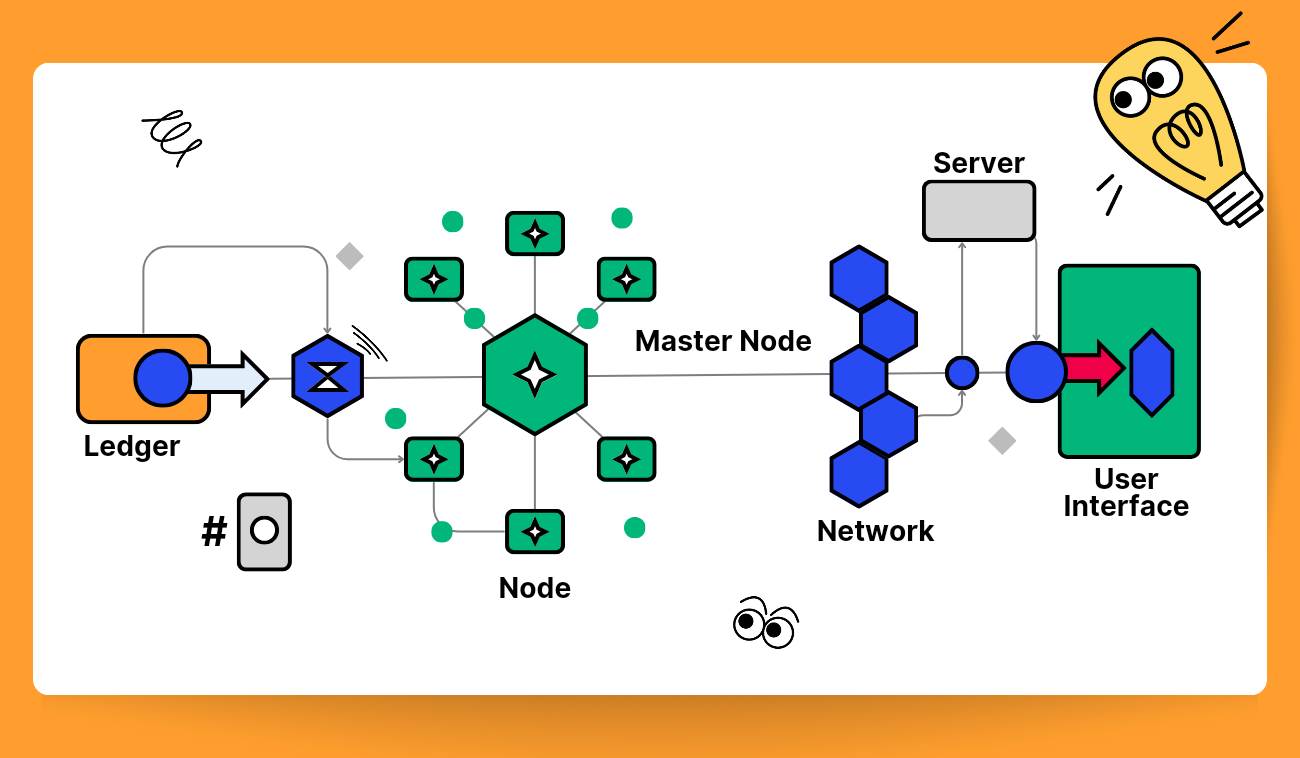
While standard Proof of Stake (PoS) protocols have dominated the conversation around passive crypto income, the concept of Masternodes remains one of the most lucrative and technically engaging ways to participate in a blockchain network. Originally popularized by Dash, masternodes go beyond simply holding tokens; they are specialized servers engineered to perform unique network functions, such as instant transactions and private sends.
Unlike regular nodes that merely keep a copy of the blockchain and relay data, masternodes require a significant collateral lock-up and high-availability server architecture to operate. This creates a barrier to entry that often results in higher yield percentages for those with the technical capability to deploy them.
1. The Hardware and Hosting Reality Operating a masternode is not a task for a standard home computer. Because the network relies on these nodes for critical secondary functions, downtime is severely punished, often resulting in the node being dropped from the payment queue. Administrators must deploy these nodes on highly reliable Virtual Private Servers (VPS) with guaranteed 99.9% uptime. The infrastructure requires static IP addresses, strictly configured firewalls (UFW) to protect the RPC ports, and automated monitoring scripts via SSH to ensure the daemon is constantly synced with the latest block.

2. The Economics of Collateral The defining feature of a masternode is the collateral. To prevent Sybil attacks (where a bad actor spins up thousands of nodes to control the network), operators must lock a massive amount of the native coin in a dedicated wallet. This collateral remains in the user’s control—usually in cold storage—while the server (the hot node) uses a cryptographic proof to broadcast its right to earn rewards. This tokenomics model drastically reduces the circulating supply on exchanges, creating organic price stability while rewarding the operators who secure the network.
Conclusion For system administrators and investors looking beyond standard DeFi yields, masternodes offer a perfect blend of technical deployment and consistent economic reward. As hybrid consensus mechanisms evolve, the demand for robust, server-backed node operators will only continue to grow.